Cookie texture
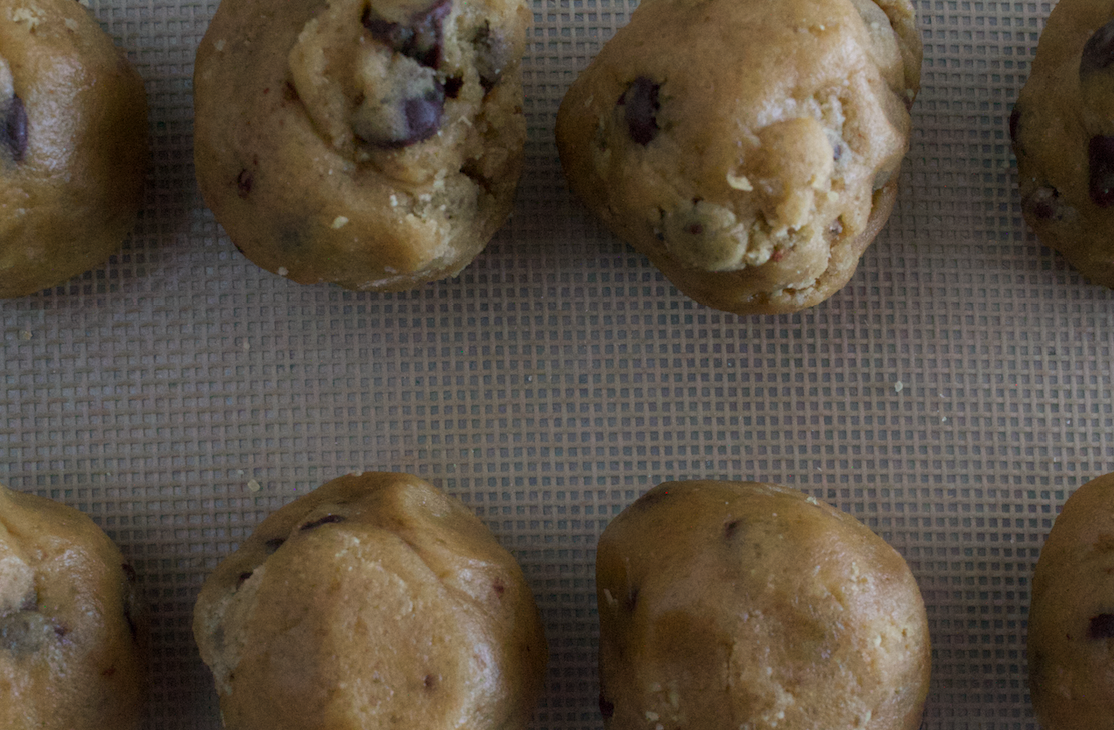
Chocolate Chip cookies are one of the most popular desserts, yet not all cookies are the same. Some cookies are thin and crispy while others are thick and gooey melting in your mouth. The difference comes down to texture, and texture is what often determines wether someone calls the cookie a perfect one. The texture is determined by the mixture of ingredients and baking techniques. Understanding how these factors work can change the way a cookie is made.
Chewey cookies are considered the classic. They have soft centers and crispy edges, the factors behind chewiness usually comes from brown sugar, melted butter, and leaving the cookie slightly underbaked. Brown sugar traps moisture and keeps cookies softer for a longer time. Melted butter also contributes to having a denser texture instead of a cakier one. Many balkers add extra egg yolks to make it chewier and richer. People tend to prefer chewier cookies because they feel fresh and gooier.

Moreover, cake-like cookies are thick, fluffy and soft; they don’t bend like chewy cookies, instead they are airy and lighter.
This texture is created when the amount of flour, baking powder, and creamed butter are used more. Creaming butter with sugar traps more air into the dough, making the cookie fluffier. Cake-like cookies are similar to a muffin and often preferred by those who like a softer dessert.
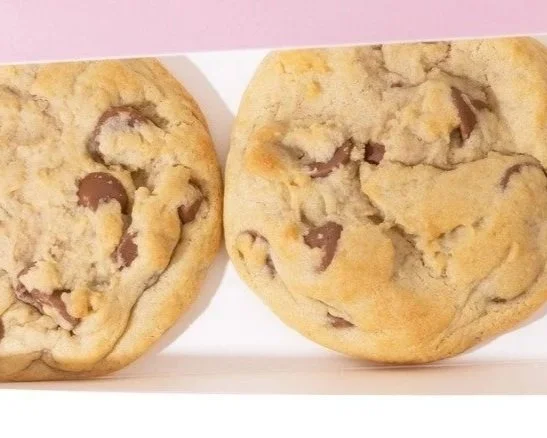
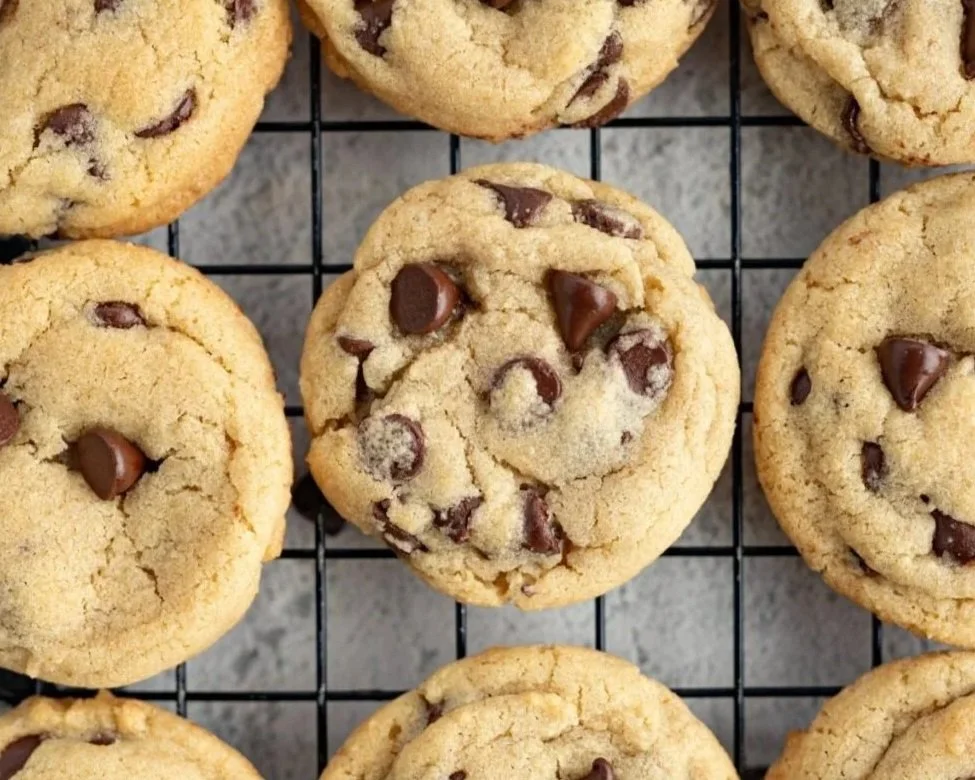
Crispy cookies tend to be much thinner, crispy and have a golden color. They often have a caramelized flavour which developes from baking sugar for a longer time. White sugar plays a larger role than brown sugar, white sugar encourages the cookie to spread out more and a drier texture. Using more butter and less flour also makes the cookie spread out and have crispier edges. Crispier cookies are much better when used to dip in milk or coffee because they are able to hold their structure better.
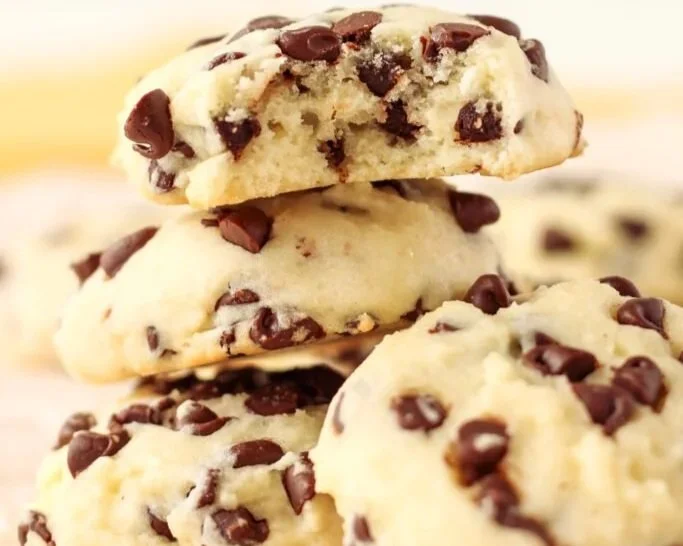
However, gooey and thicker cookies are much more popular in the world, the chocolate chip melts making the cookie much softer with crispier edges. The key to this popular cookie is chilling the dough and using larger portions. Cold dough spreads slower allowing the center to stay thick and soft. Many bakeries also underbake the cookie to keep it gooey even after baking.
The ingredients that make the cookie texture change the most include butter amount and type, flour amount and sugar. Less flour makes the cookie spread out more and therefore become more crispy. More flour, however make the cookie more cake-like and softer. Both can be gooey depending more on butter. Finally, more brown sugar creates chewiness and more white sugar make cookies crispier.
Ultimately, the perfect cookie depends on individual preference, some prefer crispier cookies while others prefer a softer and chewier one. However, popularity tends to overpower preference, now, a crispy edge, chewier cookie is popular combining several textures and ingredient mixture. All these factors change the texture of a cookie and make it better based on preference.